
Kirkuk
Northern Iraqi crude, the “Kirkuk” name, and the story behind the latest shipment

Last Friday, I published a piece with former U.S. Ambassador to Iraq and Turkey, James (Jim) Jeffrey, in which we brought attention to the first crude oil cargo from the Kurdistan Region of Iraq (KRI) to the U.S. since the reopening of the Iraq-Turkey Pipeline (ITP) in September, after a closure that lasted for over two years. The work, which was published by The Washington Institute for Near East Policy and based on data from market intelligence firm Kpler, explains the importance of the data and what that crude shipment means for Iraq, U.S. foreign policy, as well as U.S. companies looking to expand their projects in the north, or return to developing upstream assets in southern Iraq, as in the case of U.S. major Exxon Mobil.
This particular crude cargo would not have been possible without a U.S.-facilitated interim agreement in September under which Baghdad, Kurdish officials in Erbil, and international oil companies (IOCs) operating in northern Iraq agreed to reopen the ITP.
So why is today’s post titled Kirkuk?
I have come across some reports that referred to the crude from northern Iraq post–pipeline reopening in September as “Kirkuk” grade (think of it as a label for the crude), even though oil from fields in the Kirkuk area is not currently being sent to Ceyhan for export. Rather, all the crude pumped to Ceyhan so far has originated from Kurdish fields, according to Iraq Oil Report. Nevertheless, various market sources we’ve spoken to indicate that “Kirkuk grade” may have become the new label for all northern Iraqi crude, including Kurdish supplies. Kurdish oil used to be known as KBT (Kurdish Blend Test), but the rebranding comes as little surprise now that the Iraqi federal government’s State Oil Marketing Organization (SOMO) is the sole authority controlling the marketing process.
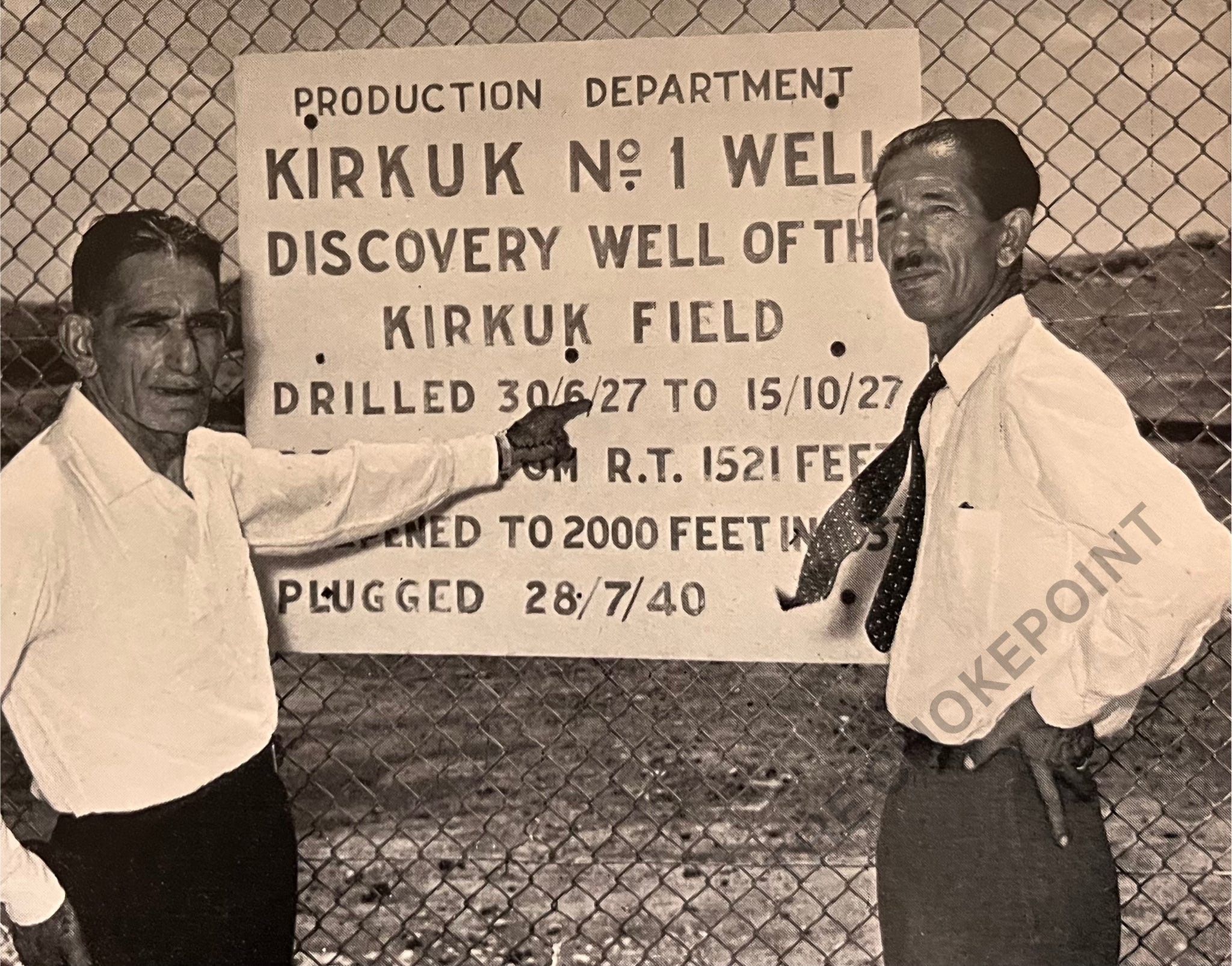
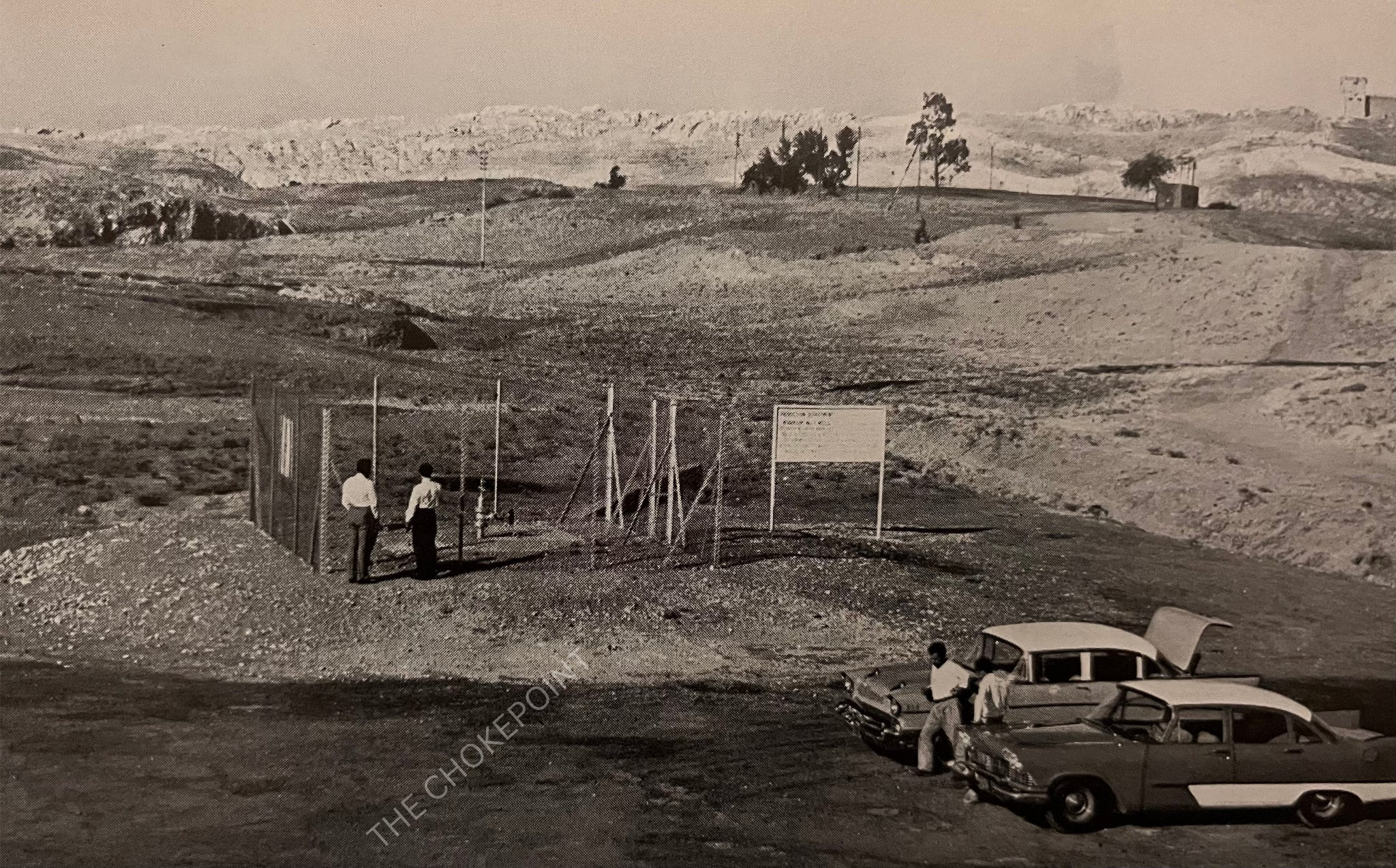
Whenever I come across the name of Kirkuk, and as a person who writes on energy data, history, and policy combined, I could not help but reach out to the story of the Kirkuk oilfield that was incredibly documented in Iraq Petroleum in an issue published in October 1957 ( I have a copy of it). The photos you see above and below show Baba Gurgur No. 1, where oil was discovered in commercial quantities on October 14, 1927. The event was very significant and dramatic. As the magazine wrote at the time:
“A typical old-time ‘gusher’, Baba Gurgur No. 1 heralded a new era of prosperity for Iraq; it was a turning point in the country’s history.”
Iraq is OPEC’s second-biggest oil producer, so if you haven’t been following the latest developments, including the ITP reopening in September—especially if you’re in the energy market—I invite you to read the piece here and feel free to share relevant feedback in the comments below.
While we regularly notice that coverage of the energy industry in the region keeps jumping between traditional sources of energy (which will continue to dominate the industry, by the way), low-carbon sources along with the critical minerals that accompany them, and battery storage, significant investments are still taking place in the natural gas and oil sectors. Global oil demand is expected to continue rising through 2050. And for several years we have known that petrochemicals and jet (aviation) fuel, specifically, will keep driving global oil demand. This is a subject I will be posting more about starting next year.
If you are interested in all of the above, make sure to subscribe (if you’re not already a subscriber), and also follow me on LinkedIn and X: @ NoamRaydan. If I don’t discuss them here, I will be on other social media platforms sharing my research earlier than Substack.
As always, thank you for reading THE CHOKEPOINT as it keeps growing and becoming more consistent. Take care of yourself and be kind to those around you.
Rich, valuable and smooth to read you as always.
Thank you.